Birth Defect Prevention: What Expecting Parents Should Know in 2026
Birth Defect Prevention: What Expecting Parents Should Know in 2026
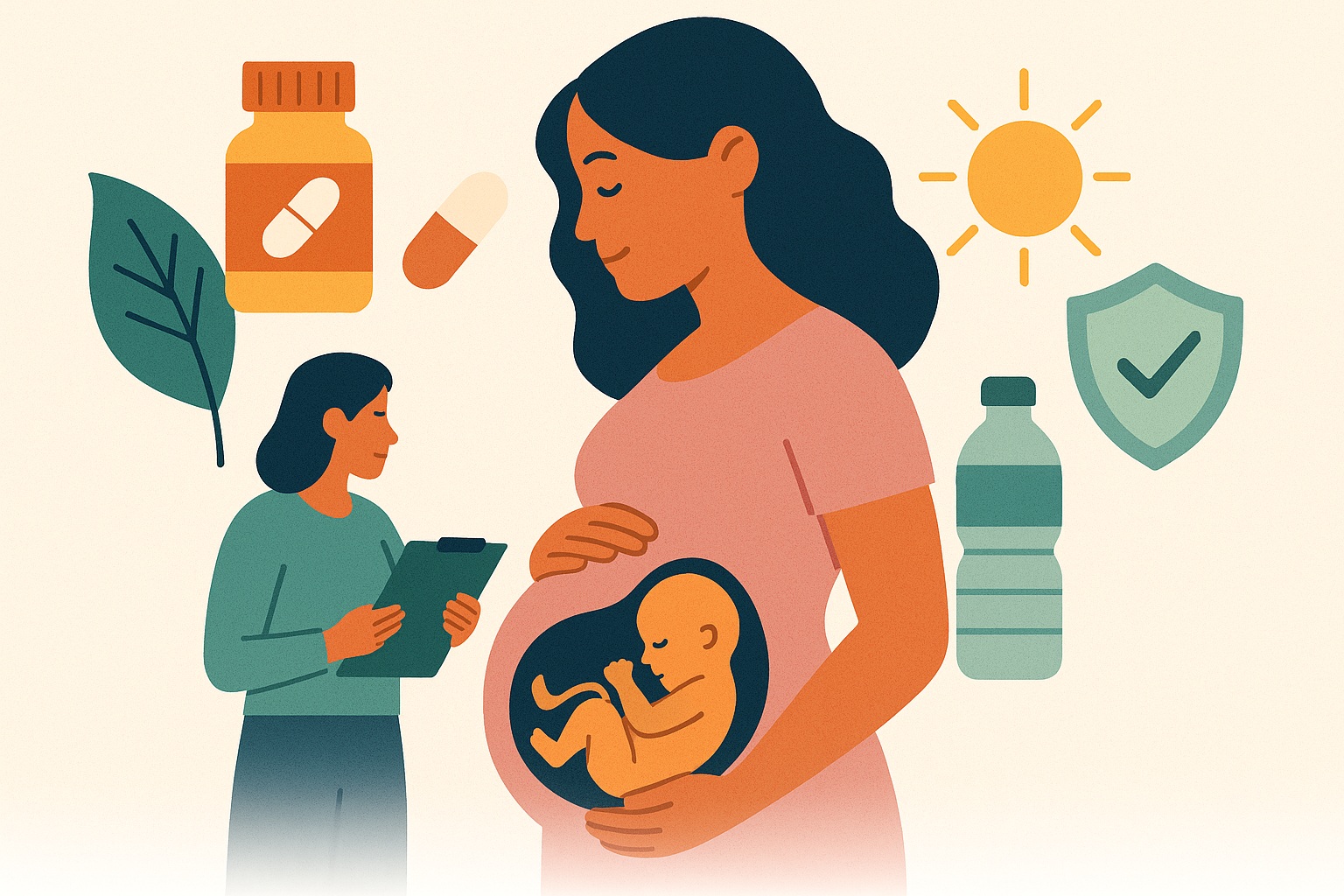
Every January, Birth Defect Prevention Month reminds us that the small, everyday choices we make long before a baby arrives can have a powerful impact on lifelong health. While no pregnancy is perfect and not all birth defects can be prevented, the growing body of research available in 2026 gives expecting parents a clearer roadmap. This year’s focus is on practical, realistic steps that families can take without feeling overwhelmed or pressured.
The goal isn’t perfection. The goal is support, awareness, and informed routines that help create the healthiest possible start.
Start With Folic Acid Before Pregnancy
Folic acid remains one of the most important nutrients for preventing neural tube defects, and 2026 guidance continues to reaffirm its value. For most people, the CDC recommends 400 mcg daily, ideally starting before pregnancy. This is because the earliest weeks of fetal development, when the brain and spine form, happen very quickly, often before someone even realizes they are pregnant.
This year’s recommendations also highlight individuals who may benefit from higher doses under a doctor’s supervision:
-
Those with a previous pregnancy affected by a neural tube defect
-
Those with certain genetic variants that affect folate absorption
-
Individuals with limited access to nutrient-dense foods
Adding folic acid can be as simple as choosing a daily vitamin and making it part of your routine. It’s a small habit with a potentially life-changing impact.
2026 Prenatal Care Updates
Prenatal care has expanded in the last few years to reflect what we now know about early pregnancy support. Healthcare providers increasingly encourage focusing on a few key nutrients and screenings that help protect both parent and baby:
-
Choline: Essential for a baby’s developing brain and spinal cord. Many people don’t get enough through diet alone, so providers may recommend supplementation.
-
Vitamin D: Plays an important role in immune function, bone development, and overall pregnancy wellness.
-
Omega-3s (especially DHA): Helpful for neurological development during pregnancy and breastfeeding.
-
Early screening for common conditions: High blood pressure, thyroid disorders, gestational diabetes, and anemia are now monitored more consistently because addressing them early leads to healthier outcomes.
-
Medication reviews: Many people take supplements or over-the-counter medications without realizing they may interact with pregnancy. Reviewing everything with a provider helps prevent issues later on.
These updates aren’t meant to overwhelm; they are meant to give expecting parents more confidence and clarity.
Environmental & Lifestyle Factors to Reduce
Every environment contains potential risks, but the goal is not to eliminate all exposure; it’s to make reasonable adjustments where possible. Research continues to highlight everyday areas where caution can make a positive difference:
-
Avoiding smoking and secondhand smoke is still one of the strongest prevention steps available.
-
Alcohol avoidance at all stages of pregnancy is recommended, since no safe amount has been identified.
-
Limiting chemical exposure, such as strong cleaners, paint thinners, or pesticides, can be as simple as wearing gloves, opening windows for ventilation, or using safer alternatives.
-
Being mindful of high heat exposure, like long hot baths or saunas, helps reduce stress on the body during early development.
-
Food safety habits, like thoroughly cooking meat, washing produce, and avoiding high-mercury fish, remain important and easy to incorporate into daily life.
-
Reducing infection risk from things like CMV or toxoplasmosis can be done with simple hygiene and awareness, regular handwashing, safe food preparation, and avoiding litter box cleaning, if possible.
These steps aren’t drastic. They’re small shifts that add up to a more supportive environment.
Medication Access Matters for Healthy Pregnancies
For many families, the most overlooked piece of birth defect prevention is consistent access to necessary medications. Conditions like epilepsy, diabetes, autoimmune disorders, hypertension, and thyroid disease require stable, ongoing treatment. Without the right medications or without the ability to refill them consistently, expecting parents may face higher health risks.
Unfortunately, medication costs can create real challenges. In 2026, many families still struggle with rising drug prices, insurance coverage gaps, or high deductibles. Patient Assistance Programs (PAPs) can help bridge those gaps by offering low-cost or free medication to eligible individuals, helping them stay on track with their treatment throughout pregnancy.
Staying healthy is not just about nutrients and habits; it often depends on having reliable access to the medications that protect both parent and baby.
The Bottom Line
Birth defect prevention in 2026 is not about achieving a flawless pregnancy; it’s about building supportive routines, asking questions, making informed choices, and staying connected to care. With updated guidelines, meaningful environmental changes, and steady access to medications, expecting parents can take confident steps toward giving their baby the healthiest possible beginning.
When families have information, support, and access, they’re empowered, and that empowerment makes a real difference before, during, and long after pregnancy.
If you'd like, I can also expand the other four articles (Cervical Health, Glaucoma, Donate Life, Migraines) in the same richer, more descriptive tone.